New Laws and PPP Projects Poised to Transform Ethiopia’s Real Estate Landscape
Ethiopia is undergoing a pivotal moment in its real estate sector as recent legal reforms and public-private partnership (PPP) initiatives are being introduced to address long-standing housing shortages, improve developer accountability, and restore buyer confidence. From Addis Ababa’s corridors to mixed-use housing in smaller cities, the shifts underway signal fresh opportunity—but also require careful navigation.
One of the most impactful changes is the passage of the Real Estate Development and Real Property Marketing and Valuation Proclamation, which now requires developers to complete at least 80% of a housing project before transferring ownership of units to buyers. Addis Standard+2allAfrica.com+2 This is meant to reduce cases where buyers have paid for properties that remain unfinished for long periods, a concern repeatedly raised by urban homeowners and the real estate community. The new law also mandates that mechanical, electrical, and sanitation infrastructure must be installed before home transfers occur. allAfrica.com+1
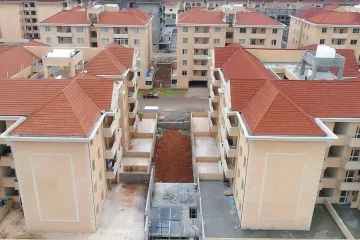
Parallel to the regulatory overhaul, the government is expanding its use of public-private partnership (PPP) housing projects to boost supply especially for middle and lower income segments. A new Request for Qualification (RFQ) is in motion to identify private developers to build about 80,000 mixed-use housing units nationwide. The initial phase will involve over 3,600 units, some of which will serve the Federal Housing Corporation (FHC) and employees of the Ethiopian Broadcasting Corporation (EBC). Addis Standard At the same time, in Addis Ababa, developers like Noah Real Estate have delivered hundreds of residential units and are preparing to launch thousands more homes, villas, and commercial units to meet demand. allAfrica.com
While these developments are largely positive, challenges remain. For example, under the Addis Ababa City Corridor Project, many residents have reported displacement, insufficient notice, or unclear compensation when their properties lay in zones marked for redevelopment. allAfrica.com Developers and prospective buyers will need to stay informed about zoning, relocation policies, and legal compliance. Also, rising construction costs and land prices continue to put pressure on affordability.
For those interested in investing, buying, or developing property in Ethiopia, these changes mark a new era of greater protection and structure—but also a period of adjustment. Whether you’re a buyer looking for certainty, a developer seeking clarity, or a real estate agency aiming to stay ahead, the time is ripe to engage with the regulatory landscape, partner with credible stakeholders, and build with integrity.